 WanderAI
Italy · 3-day plan · Updated: 2026-11-20
Rome 3-Day Itinerary: Ancient Sites, Vatican & Food
3-day itinerary
Day 1: Ancient Rome and the Historic Heart
- 8:30 AM
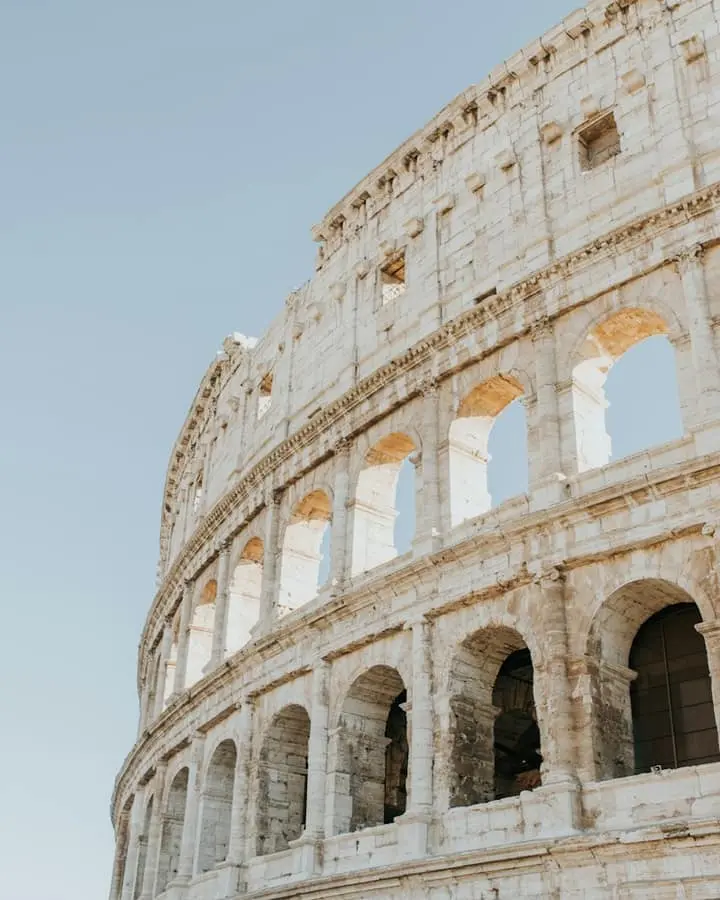
Colosseum
Start early with a pre-booked timed ticket (the combined ticket also covers the Roman Forum and Palatine Hill, usually around €18-25 depending on the period). Allow about 90 minutes. Book official tickets only to avoid inflated reseller prices.
- 11:00 AM
Roman Forum and Palatine Hill
Walk up through the Arch of Constantine area to the Forum, then climb the Palatine for views over the ruins. Bring water and a hat since shade is limited. Allow 2 hours.
- 1:30 PM
Lunch in Monti
Walk to the Monti district, a short distance from the Forum, for pasta or pizza al taglio at a neighborhood trattoria. It is more relaxed than the streets right beside the Colosseum.
- 3:30 PM
Capitoline Hill and Piazza Venezia
See Michelangelo's Piazza del Campidoglio and the terrace view over the Forum. The Capitoline Museums are optional if you like sculpture and have the energy.
- 5:30 PM
Pantheon and Piazza Navona
Walk to the Pantheon (entry is ticketed, around €5, with possible reservations required) and then to Piazza Navona to see Bernini's Fountain of the Four Rivers.
- 8:00 PM
Dinner near Campo de' Fiori
Eat in the side streets rather than on the main square, where menus are often pricier. Finish with a walk to the Trevi Fountain if you want it lit up at night, though it will be busy.
Day 2: Vatican City and Castel Sant'Angelo
- 8:00 AM
Vatican Museums and Sistine Chapel
Book timed tickets online in advance (roughly €20-30). Dress modestly: covered shoulders and knees are required. Allow at least 3 hours. The route ends in the Sistine Chapel, where photography is not allowed.
- 12:00 PM
St. Peter's Basilica
Entry to the basilica is free but security queues can be long; the same dress code applies. Climbing the dome costs a few euros extra and involves many steps.
- 2:00 PM
Lunch in Prati
Walk to the Prati neighborhood, just outside the Vatican crowds, for supplì, pizza al taglio or a simple trattoria lunch at better prices than the tourist cafes by St. Peter's Square.
- 4:00 PM
Castel Sant'Angelo
Cross the Ponte Sant'Angelo, lined with Bernini-school angel statues, and visit the castle for its terrace views over the city. Entry is roughly €15.
- 6:30 PM
Spanish Steps and Via Condotti
Take a bus or taxi, or walk about 25 minutes, to the Spanish Steps for the evening atmosphere. Sitting on the steps is not permitted, and fines are possible.
- 8:30 PM
Dinner and Trevi Fountain
Have a Roman dinner such as cacio e pepe or carbonara in the area, then stroll to the Trevi Fountain. Keep an eye on belongings in crowds.
Day 3: Trastevere, Aventine and Villa Borghese
- 9:00 AM
Villa Borghese and Galleria Borghese
Reserve a timed Galleria Borghese slot well in advance (around €15-20, visits are limited to about two hours). Afterward, walk through the park gardens toward Pincio Terrace.
- 12:00 PM
Piazza del Popolo and Pincio View
Take in the view from the Pincio over Piazza del Popolo, then head downhill. Santa Maria del Popolo has works by Caravaggio and is free to enter.
- 1:30 PM
Lunch near the Tiber
Grab a simple lunch on the way, or take a taxi or bus to Trastevere and eat at a trattoria there, ordering pasta alla gricia or fried artichokes in season.
- 3:30 PM
Trastevere and Santa Maria in Trastevere
Wander the cobbled lanes and visit the church with its gold mosaics (free). It is atmospheric by day and gets lively at night.
- 5:30 PM
Janiculum Hill or Aventine Keyhole
Climb the Janiculum for a sunset panorama, or if you prefer a quieter option, visit the Aventine Keyhole and the Orange Garden (Giardino degli Aranci) across the river.
- 8:00 PM
Farewell dinner in Trastevere
Choose a trattoria away from the main square for a more local meal, and finish with gelato or an amaro. Book ahead on weekends.
Rome is a dense, lived-in city where Roman ruins, Renaissance churches and Baroque fountains sit beside ordinary apartment blocks and busy cafes. It is walkable but tiring: cobblestones, summer heat and long queues shape how much you can comfortably see. Three days is enough for the headline sights if you group them by area and book the popular ones in advance.
This guide splits the city into three geographic days: ancient Rome (Colosseum, Forum, Palatine), Vatican City and the historic center, and a slower day covering Trastevere, the Borghese area and the Aventine hill. Each day mixes major sights with meal breaks and unhurried walking, so you are not crossing the city repeatedly.
You will also find advice on when to go, how to get from the airport, which neighborhoods work for different travelers, dishes worth trying, and practical tips. Prices and rules are approximate and change often, so check official websites before booking.
When to go
April to early June and September to October are generally the best months: temperatures are usually mild to warm (roughly 15-27°C) and days are long, though crowds are substantial, especially around Easter. July and August can be very hot (often 30-35°C+), and many locals leave around Ferragosto (mid-August), so some small restaurants close. November to March is cooler and wetter but quieter and often cheaper, with decent sightseeing weather on many days. Avoid assuming any month is empty; the Vatican and Colosseum are busy year-round.
Getting around
From Fiumicino airport (FCO), the Leonardo Express train runs to Roma Termini in about 30-32 minutes for roughly €14. Regional trains to other stations such as Trastevere or Ostiense are cheaper but stop more often. Fixed-fare taxis from FCO to the center within the Aurelian Walls are around €50; from Ciampino (CIA) it is around €30, and shuttle buses are cheaper. Most central sights are walkable. For longer hops, use the Metro (Lines A, B/B1, C), buses and trams with the BIT single ticket (about €1.50, valid roughly 100 minutes on one metro entry) or a 24/48/72-hour Roma Pass-style travel pass if you will ride a lot. The Roma Pass (48 or 72 hours) bundles transit with entry to one or two sites, but it does not cover the Vatican and may not skip queues at the Colosseum, so compare costs with buying separate tickets. Contactless bank cards are accepted on public transport gates in Rome, so check current rules. Taxis should be booked via an official taxi app or taken from ranks; avoid unlicensed drivers.
Where to stay
Centro Storico
The area around the Pantheon, Piazza Navona and Campo de' Fiori puts most sights within walking distance. Best for first-time visitors who prioritize convenience and do not mind higher prices and some noise.
Monti
A hip, village-like district near the Colosseum with independent shops and wine bars. Good for couples and travelers who want atmosphere and easy access to ancient Rome.
Trastevere
Charming and lively with plenty of restaurants and nightlife. Suits those who like evening energy, though streets can be loud late and it is a bit farther from the main ancient sites.
Prati
A calmer, more residential area near the Vatican with good shops and food. Suits families and travelers focused on the Vatican, and is often better value than the historic center.
What to eat
Carbonara
Pasta with egg, guanciale, pecorino romano and black pepper. A traditional version does not use cream.
Cacio e pepe
Simple pasta with pecorino and pepper, creamy when made well. Try it at a trattoria rather than a place with a photo menu.
Supplì
Fried rice balls with tomato sauce and a melted mozzarella center, a classic snack from pizzerias and fried-food shops.
Pizza al taglio
Roman-style pizza sold by weight in rectangular slices, with a thin, crisp base. Good for a cheap lunch.
Carciofi alla romana or alla giudia
Artichokes braised with herbs (alla romana) or deep-fried until crisp (alla giudia), best in spring.
Gelato and Aperitivo
Look for gelato with natural colors and covered tubs rather than piled-up neon displays. For a drink, try a Spritz or Negroni at aperitivo hour, usually served with snacks.
Practical tips
- Book the Colosseum, Vatican Museums and Galleria Borghese online in advance, especially from spring to autumn, and use official sites to avoid markups.
- Carry a refillable bottle: Rome has free drinking fountains called nasoni that provide cold, safe water.
- Tipping is not expected like in the US; a cover charge (coperto) of a couple of euros is common, and rounding up or leaving a few euros for good service is appreciated.
- Dress codes apply in churches and the Vatican: cover shoulders and knees, and carry a light scarf if needed.
- Watch for pickpockets on Metro Line A, buses near Termini and in crowded sights; keep bags zipped in front of you.
- Wear comfortable shoes with good grip, as cobblestones (sampietrini) are uneven and can be slippery when wet.
- Many churches close for a midday break and some museums close on Mondays, so check opening hours before you go.
- Be cautious of people offering free bracelets, costumed gladiators who want photo fees, and restaurants with touts outside; check the final bill.
Daily budget per person (USD)
FAQ
Is 3 days enough for Rome?
Three days is enough to see the main highlights: the Colosseum and Forum, the Vatican, the historic center and one or two other areas. You will not see everything, so choose priorities and pre-book key entries.
How do I get from Fiumicino airport to central Rome?
The Leonardo Express train goes to Termini in about 30 minutes for roughly €14, while regional trains are cheaper but slower. Taxis within the walls have a fixed fare of about €50, and shuttle buses are another budget option.
Do I need to book the Colosseum and Vatican in advance?
Yes, it is strongly recommended. Timed tickets often sell out days or weeks ahead in busy periods, and booking directly saves time in the queue and avoids paying reseller premiums.
Is the Roma Pass worth it?
It depends on how many paid sites you visit and how much you use public transport. Add up the entry fees for the sights you plan to see and compare them to the pass price. Note that it does not include the Vatican.
Is Rome safe for tourists?
Rome is generally safe, and violent crime against visitors is uncommon. The main risk is pickpocketing in crowded areas, on public transport and around major sights, so keep valuables secure and stay alert.
Prices and rules are approximate; check current information before you travel.