 WanderAI
United Kingdom · 3-day plan · Updated: 2026-11-20
London 3-Day Itinerary: Icons, Museums & Local Corners
3-day itinerary
Day 1: Royal and Political London
- 9:00 AM
Westminster Abbey and Parliament Square
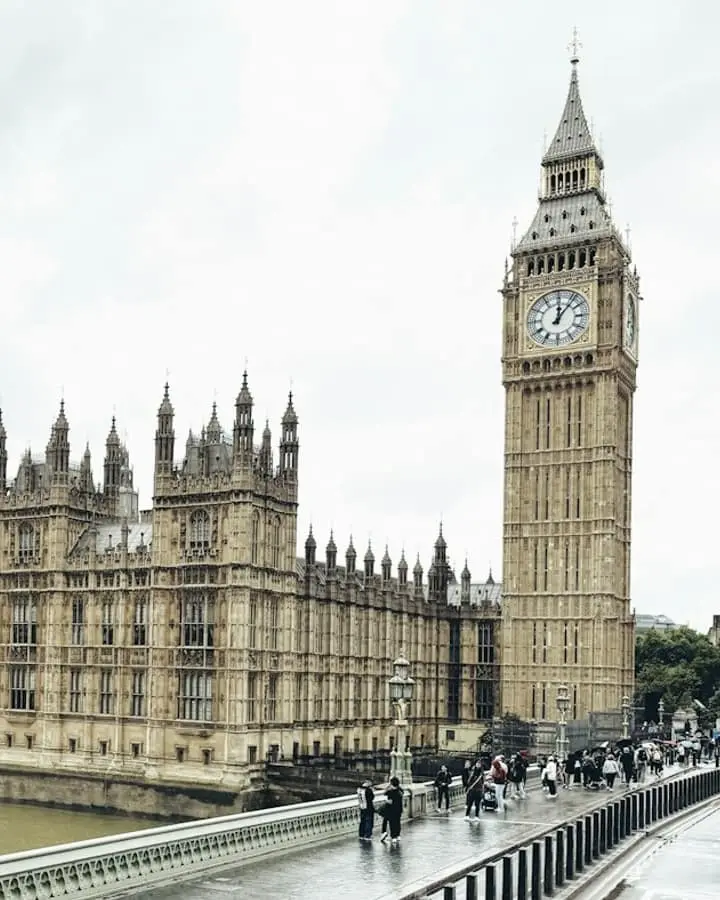
Start early at Westminster Abbey (timed tickets are best booked online) and see Big Ben and the Houses of Parliament from Westminster Bridge.
- 11:30 AM
St James's Park to Buckingham Palace
Walk through St James's Park, with its pelicans and lake views, to the front of Buckingham Palace. Check whether the Changing the Guard is running that day, as it is not daily.
- 1:00 PM
Lunch in St James's or Mayfair
Pick a pub or casual café near Piccadilly or Jermyn Street. Fortnum & Mason is a pricey but atmospheric option for tea or a snack.
- 2:30 PM
Trafalgar Square and the National Gallery
Walk via The Mall to Trafalgar Square. The National Gallery is free to enter and holds major European paintings; an hour or two is enough for highlights.
- 5:30 PM
Covent Garden and Soho
Wander the Covent Garden piazza, then head into Soho for dinner on streets like Dean Street or Berwick Street. Consider a West End show if you book ahead.
Day 2: Museums, South Bank and the City
- 9:30 AM
British Museum
Free general entry. Focus on the Rosetta Stone, the Egyptian galleries and the Parthenon sculptures rather than trying to see everything.
- 12:30 PM
Lunch at Borough Market
Take the Tube or bus to London Bridge. Borough Market has stalls selling hot food, cheese and pastries; it is busiest at midday, so go slightly early or late.
- 2:00 PM
Tate Modern and the Millennium Bridge
Walk the South Bank to Tate Modern, free in its main collection. Cross the Millennium Bridge toward St Paul's Cathedral.
- 4:00 PM
St Paul's Cathedral or Tower of London
Climb the dome at St Paul's if you like views, or continue east to the Tower of London to see the Crown Jewels. Both charge admission and take 1.5-3 hours.
- 6:30 PM
Tower Bridge and riverside dinner
Cross or photograph Tower Bridge, then eat nearby at St Katharine Docks or head to a pub along the Thames.
Day 3: Markets, Parks and a Classic Evening
- 9:00 AM
Greenwich
Take the Elizabeth line and DLR, or a Thames Clipper boat, to Greenwich. Visit the Royal Observatory, the Prime Meridian and the Cutty Sark, and walk up Greenwich Park for the skyline view.
- 12:30 PM
Greenwich Market lunch
Browse the covered market for street food and crafts before heading back toward central London.
- 2:30 PM
Kensington museums
Visit the Natural History Museum or the V&A, both free for the main collections. Choose one to avoid museum fatigue.
- 4:30 PM
Hyde Park and Kensington Gardens
Stroll past the Serpentine and Kensington Palace gardens. Rent a deck chair or just rest your feet.
- 6:30 PM
Pub dinner and evening river views
Finish with a traditional pub meal in Notting Hill or Knightsbridge. Alternatively, take the London Eye at dusk from the South Bank, booking ahead for a time slot.
London is a sprawling, layered city where Roman walls, royal palaces, glass towers and corner pubs sit within a short Tube ride of each other. It rewards visitors who accept that it is a city of villages: each neighborhood has its own pace, and the Thames ties the main sights together.
This guide fits the essentials into three days without rushing every minute. Day one covers royal and political London, day two focuses on museums, the South Bank and the City, and day three mixes Greenwich-style river views with markets and a classic evening out. Stops are grouped geographically to cut down on transit time.
You will also find advice on when to go, how to use contactless payment and the Tube, rough daily budgets, areas to stay, foods worth trying and answers to common questions. Prices and rules are approximate and change, so check official sites before you book.
When to go
May to June and September are usually the best balance: mild temperatures (often 15-22°C), long daylight and fewer crowds than peak summer. July and August are warmest but busiest and pricier. December has festive lights and markets but short days and cold, damp weather. Winter, January to February, is cheapest and quieter, though grey and wet. Rain can happen in any month, so pack a light waterproof and comfortable shoes.
Getting around
From Heathrow, the Elizabeth line runs to central stations like Paddington, Tottenham Court Road and Liverpool Street in roughly 30-40 minutes; the Piccadilly line is cheaper but slower. Heathrow Express is faster to Paddington but costs more. From Gatwick, Gatwick Express or Thameslink trains reach central London in about 30-50 minutes. Stansted has the Stansted Express and coaches. Within the city, use the Tube, buses, Overground and Elizabeth line with a contactless bank card or phone; fares are capped daily, so a separate pass is rarely needed. Oyster cards still work, and visitors can use a Visitor Oyster, though contactless is usually simpler. Buses use a flat fare and are good for scenery. Central London is very walkable, and Santander Cycles hire bikes are available. Travelcards exist but are rarely cheaper than capped contactless for short stays.
Where to stay
Covent Garden / Soho
Central, lively and walkable to theaters, restaurants and major sights. Best for first-timers and nightlife lovers, though hotels are pricey and nights can be noisy.
South Bank / Southwark
Close to Tate Modern, Borough Market and the river. Good for foodies and walkers who want a slightly less hectic base with good transport links.
South Kensington
Elegant, quieter streets near major museums and Hyde Park. Suits families and visitors who prefer calm evenings and easy Tube access.
King's Cross / Bloomsbury
Excellent rail links, including Eurostar and airport connections, plus mid-range hotels and the British Museum nearby. Good for practical, budget-minded stays.
What to eat
Fish and chips
Battered white fish with thick chips, often served with mushy peas and tartare sauce. Best at a traditional chippy or pub.
Sunday roast
Roast meat with Yorkshire pudding, potatoes, vegetables and gravy, served mainly on weekends in pubs.
Full English breakfast
Eggs, bacon, sausage, beans, toast, tomatoes and mushrooms. Filling enough to cover lunch.
Pie and mash
A traditional East London meal of meat pie, mashed potato and green parsley sauce, called liquor.
Afternoon tea
Sandwiches, scones with clotted cream and jam, pastries and tea. Prices vary widely, and booking is wise.
Real ale and cider
Cask ales are served in many pubs at cellar temperature. Ask staff for a taster if you are unsure.
Practical tips
- Use contactless payment on public transport; daily fare caps mean you generally won't overpay.
- Tipping is modest: check if a 12.5% service charge is already added at restaurants, and otherwise 10-12% is typical for table service.
- Book popular attractions like the Tower of London, the London Eye and West End shows ahead, especially in summer and holidays.
- Many top museums are free but may ask for donations; special exhibitions usually charge.
- Stand on the right on Tube escalators and allow extra time around rush hours, roughly 8-9:30 AM and 5-7 PM.
- Keep phones and bags secure in crowded areas and on public transport, as pickpocketing and phone snatching occur.
- Look right when crossing roads, as traffic drives on the left.
- Pubs often order at the bar rather than the table; pay as you go and no tip is expected for drinks.
Daily budget per person (USD)
FAQ
Is 3 days enough for London?
Three days is enough for the main highlights if you plan geographically and accept leaving out some museums and neighborhoods. A longer stay lets you add day trips or deeper exploration.
Do I need an Oyster card or Travelcard?
Usually not. A contactless card or phone works on the Tube, buses and most trains with daily capping. An Oyster card is useful if your bank card charges foreign transaction fees.
What is the cheapest way from Heathrow to central London?
The Piccadilly line is generally the cheapest rail option, taking about an hour. The Elizabeth line costs more but is faster and more comfortable.
Is London expensive for tourists?
Yes, particularly for accommodation and dining out. You can save with free museums, parks, markets, supermarket meal deals and staying slightly outside the center.
Which London attractions are worth paying for?
Many visitors rate the Tower of London, Westminster Abbey and St Paul's highly. Whether to add the London Eye or a West End show depends on your interests and budget.
Prices and rules are approximate; check current information before you travel.