 WanderAI
Türkiye · 3-day plan · Updated: 2026-11-20
Istanbul 3-Day Itinerary: Old City, Bosphorus & Beyoğlu
3-day itinerary
Day 1: Sultanahmet and the Old City
- 8:30 AM
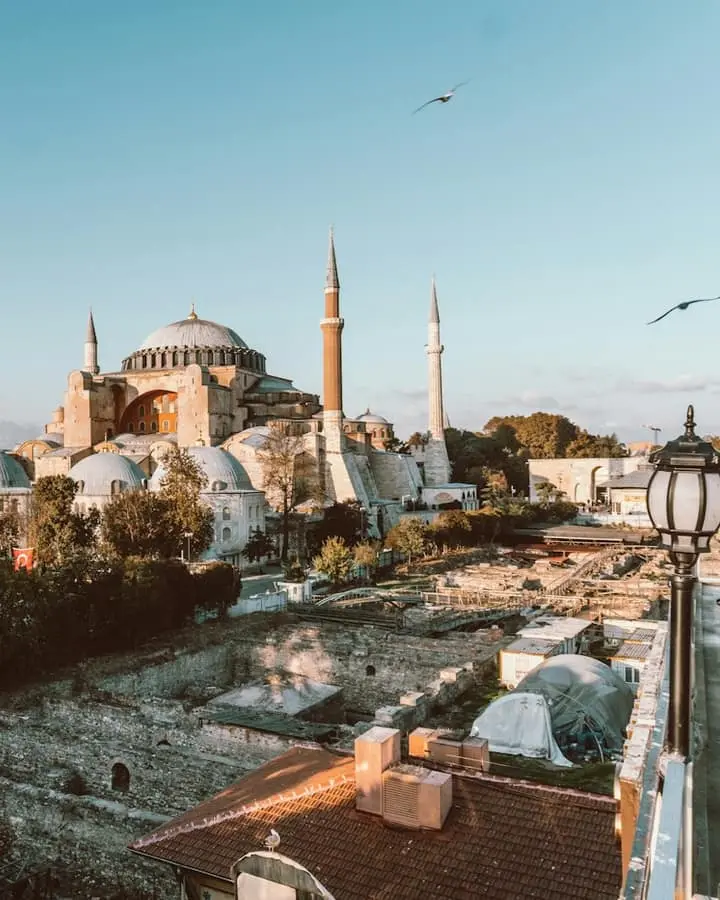
Hagia Sophia
Arrive early to beat the queues at the 6th-century Byzantine landmark, now a functioning mosque. Visitor access rules and any entry fee have changed in recent years, so check the current setup and dress modestly.
- 10:30 AM
Sultanahmet (Blue) Mosque
A short walk across the park. It is closed to visitors during prayer times, so go between prayers, remove your shoes and cover shoulders and knees. Admission is free, though donations are welcome.
- 12:00 PM
Lunch near Sultanahmet Square
Skip the restaurants right on the square and walk a few minutes to a lokanta or kebab spot on the side streets for a better-value meal.
- 1:30 PM
Basilica Cistern
Walk down into the atmospheric Byzantine underground reservoir with its forest of columns. Book a timed ticket ahead in busy months.
- 3:00 PM
Topkapı Palace
The Ottoman sultans' residence has courtyards, the Treasury and views over the Bosphorus. Allow 2-3 hours; the Harem requires a separate ticket and closes earlier. Check which day the palace is closed.
- 6:30 PM
Sunset at Gülhane Park or a rooftop
Wind down in the park beside the palace, then have dinner in the Cankurtaran or Sirkeci area.
Day 2: Bazaars, Golden Horn and the Bosphorus
- 9:00 AM
Süleymaniye Mosque
Climb to Sinan's great mosque on the hill above the Golden Horn for city views and a calmer atmosphere than the Sultanahmet mosques.
- 10:30 AM
Grand Bazaar
Walk down through the Tahtakale and Mahmutpaşa streets to the covered market. Expect to bargain; browse before buying and note that it is closed on Sundays.
- 12:30 PM
Spice Bazaar and lunch in Eminönü
Buy Turkish delight, spices and dried fruit, then eat a fish sandwich or a simple meal nearby. Compare prices across several shops.
- 2:30 PM
Bosphorus ferry
Take a public ferry or a short sightseeing cruise from Eminönü past Ortaköy, Dolmabahçe and the fortresses. Public ferries are cheaper and run on set routes; check timetables.
- 5:00 PM
Ortaköy or Bebek
Hop off for a waterfront stroll. Ortaköy has its mosque beside the bridge and the baked-potato kumpir stalls; Bebek is calmer with cafés.
- 7:30 PM
Dinner in Karaköy
Head back to Karaköy by bus or taxi for meyhane-style meze, seafood or modern Turkish cooking.
Day 3: Beyoğlu, Galata and Kadıköy
- 9:30 AM
Galata Bridge and Karaköy
Cross the bridge on foot, watch the fishermen and have breakfast in Karaköy, known for its cafés and bakeries.
- 11:00 AM
Galata Tower
Walk uphill through the Galata streets to the medieval tower for a panoramic view. Queues are long, so go early or consider skipping the tower and enjoying the views from a café instead.
- 12:30 PM
İstiklal Avenue and Tünel
Walk or ride the nostalgic tram along the pedestrian street, with a detour into the Çiçek Pasajı and Balık Pazarı side streets for snacks.
- 2:30 PM
Ferry to Kadıköy
Cross to the Asian side from Karaköy or Eminönü. The ride itself is a highlight and passes the Maiden's Tower.
- 3:30 PM
Kadıköy Market and Moda
Explore the food market, small shops and coffee houses, then stroll the Moda seafront.
- 6:30 PM
Sunset and dinner
Catch the evening light on the Moda coast, have dinner in Kadıköy, and take a ferry back for a view of the lit-up old city skyline.
Istanbul straddles Europe and Asia, and it feels like both at once. Byzantine churches, Ottoman mosques, 19th-century apartment blocks and modern cafés sit within a short tram ride of each other. The city is large, hilly and busy, but its main sights are concentrated in a few districts, which makes a short visit workable if you plan geographically.
This guide covers three days: the historic peninsula of Sultanahmet on day one, the Golden Horn, Grand Bazaar and Bosphorus on day two, and Beyoğlu, Galata and the Asian side on day three. Each day groups places that are close together so you spend less time in traffic and more time looking around.
You will also find notes on when to go, how to get from the airport, which transport cards to use, rough daily budgets, neighborhoods to stay in, dishes worth trying and practical tips. Opening hours, ticket rules and prices change, so treat the figures here as approximate and check official sources before you go.
When to go
April to early June and September to November are generally the most comfortable, with mild temperatures of roughly 15-26°C and manageable crowds, though spring can bring rain. July and August are hot, humid and crowded, often above 30°C, and cruise and school-holiday traffic fills the main sights. Winter (December to February) is cool, damp and sometimes windy, around 3-10°C, with fewer visitors and lower hotel prices. Religious holidays such as Eid can close some shops and make transport and attractions busier, so check dates when planning.
Getting around
Istanbul Airport (IST) is far from the center, about 40-60 minutes by road depending on traffic. The M11 metro links the airport to Gayrettepe, where you can connect to other metro lines. Havaist airport buses run to areas such as Taksim and Sultanahmet, and taxis or pre-booked transfers cost more but are direct. Sabiha Gökçen (SAW) on the Asian side has its own Havaist buses and a metro link to Kadıköy area via the M4 line. For getting around, buy an Istanbulkart, a rechargeable card used on metros, trams, buses, funiculars, Marmaray trains and city ferries; it is cheaper per ride than single tokens or tickets and can be shared among several travelers on one trip. The T1 tram covers Sultanahmet, Eminönü and Karaköy. The Kabataş-Taksim funicular and the historic Tünel connect the waterfront with Beyoğlu. Public ferries across the Bosphorus are inexpensive and scenic. The Museum Pass Istanbul covers a number of state museums and can save money if you visit several, but it does not cover everything, and rules for Hagia Sophia have changed, so check what is included before buying. Taxis are plentiful, but insist on the meter or use a ride-hailing app.
Where to stay
Sultanahmet
Best for first-timers who want to walk to the major sights. It is touristy and quiet at night, with fewer good local restaurants.
Galata and Karaköy
Good for travelers who like cafés, galleries and nightlife with easy tram and ferry access. Streets are steep and can be noisy on weekends.
Beyoğlu / Cihangir
Suits those who want a lively, central base with bars and restaurants. Taksim itself is busy and loud; Cihangir is a calmer, more residential option.
Kadıköy
Suits repeat visitors, food lovers and budget travelers who prefer a local feel. It is a ferry ride from the main sights, which adds travel time.
What to eat
Turkish breakfast (kahvaltı)
A spread of cheeses, olives, tomatoes, eggs, honey, kaymak and bread with endless tea.
Balık ekmek
A grilled fish sandwich, traditionally eaten near the Galata Bridge and Eminönü waterfront.
Simit
A sesame-crusted bread ring sold by street vendors, good for a cheap snack.
İskender kebab
Sliced döner over bread with tomato sauce, yogurt and melted butter.
Meze and rakı
Small shared plates in a meyhane, often paired with aniseed-flavored rakı.
Baklava and Turkish tea or coffee
Layered pastry with pistachio or walnut, best with a small glass of tea or a cup of Turkish coffee.
Practical tips
- Cards are widely accepted, but carry some Turkish lira for small shops, tolls and street food. Use bank ATMs where possible and decline dynamic currency conversion.
- Tipping is customary but modest: around 5-10% in sit-down restaurants if service is not included, and rounding up for taxis.
- Watch for common scams such as overpriced shoe-shine tricks, friendly strangers steering you to bars, and unmetered taxis. Agree on prices upfront or use the meter.
- Pickpocketing happens in crowded areas like trams, İstiklal and the bazaars, so keep valuables in front pockets.
- Dress modestly for mosques: cover shoulders and knees, and women should carry a headscarf. Mosques close to tourists around prayer times.
- Book timed tickets for popular sights in high season, and check which day each museum is closed, often Monday or Tuesday.
- Take the ferries; they are among the cheapest and best ways to see the city.
- Expect hills and stairs, so wear comfortable shoes. Fares and opening hours change frequently, so confirm locally.
Daily budget per person (USD)
FAQ
Is 3 days enough for Istanbul?
Three days is enough to cover the main highlights if you plan efficiently, but you will have to be selective. Many visitors extend to 4-5 days to add a slower pace, more food stops and day trips.
Is Istanbul safe for tourists?
Most visits are trouble-free. The main risks are petty theft, taxi overcharging and scams in tourist areas. Use normal big-city precautions and check your government's current travel advice before you go.
Do I need a visa for Türkiye?
It depends on your nationality. Some travelers can enter visa-free, others need an e-visa, and rules and permitted stay lengths change. Check the official Turkish government e-visa site before traveling.
Should I buy the Museum Pass Istanbul?
It can be worth it if you plan to visit several state museums in a few days, but it does not cover everything and the included sites change. Add up the individual entrance fees for your plan before buying.
What is the best way to get from the airport to Sultanahmet?
From Istanbul Airport, you can take the M11 metro and connect onward, a Havaist bus, or a taxi or transfer. Expect roughly an hour or more depending on traffic and route. Taxis are simplest for groups or with luggage.
Prices and rules are approximate; check current information before you travel.