 WanderAI
Spain · 3-day plan · Updated: 2026-11-20
Barcelona 3-Day Itinerary: Gaudí, Gothic Quarter & Beach
3-day itinerary
Day 1: Gothic Quarter, El Born and the Waterfront
- 9:00 am
Barcelona Cathedral and Plaça Sant Jaume
Start early at the Gothic cathedral before crowds build, and see its cloister with the resident geese. Then walk to Plaça Sant Jaume, home to the city hall and the Catalan government building.
- 11:00 am
Wander the Barri Gòtic
Walk through the lanes to Plaça Reial and the Roman-era remnants around Plaça del Rei. The Museu d'Història de Barcelona lets you walk through underground Roman streets.
- 1:30 pm
Lunch near Santa Caterina Market
Head to the Mercat de Santa Caterina, less touristy than La Boqueria, for a market-style lunch or a set menu del día in the surrounding streets.
- 3:30 pm
Santa Maria del Mar and the Picasso Museum
Visit the Gothic basilica of Santa Maria del Mar in El Born, then the Museu Picasso, which focuses on his early work. Book Picasso tickets ahead in busy seasons.
- 6:30 pm
Parc de la Ciutadella and Barceloneta
Stroll through Ciutadella park, then walk to the beach at Barceloneta for the evening light along the promenade.
- 9:00 pm
Tapas in Barceloneta or El Born
Have dinner at a tapas bar. Choose places away from the main promenade for better value.
Day 2: Gaudí and the Eixample
- 9:00 am
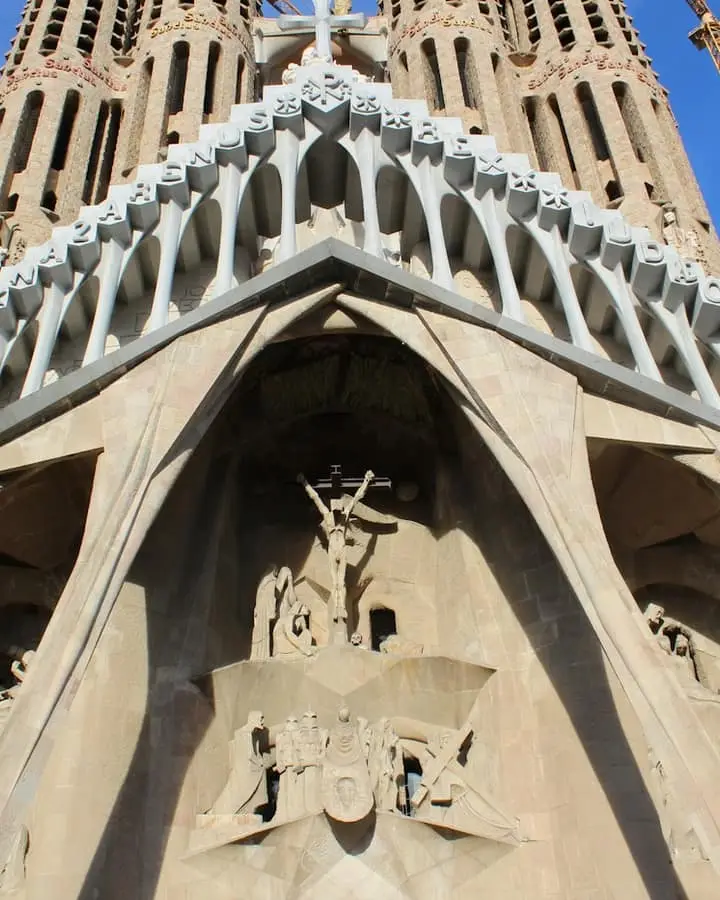
Sagrada Família
Book a timed ticket for the earliest slot you can. Allow around two hours, and consider adding a tower ticket for views. Construction continues, so scaffolding is normal.
- 12:00 pm
Hospital de Sant Pau
Walk about 10 minutes to this Modernista hospital complex, usually much quieter than other major sights, with tiled pavilions and gardens.
- 2:00 pm
Lunch in the Eixample
Eat a menu del día at a neighborhood restaurant along the grid streets between Sagrada Família and Passeig de Gràcia.
- 4:00 pm
Passeig de Gràcia: Casa Batlló and La Pedrera
See Casa Batlló and Casa Milà (La Pedrera). Entry to both is pricey, so pick one to go inside, and admire the other from the street. Casa Amatller is a cheaper option nearby.
- 7:00 pm
Park Güell at sunset (optional)
Take a taxi or metro and bus to Park Güell. The monumental zone requires a timed ticket. If you prefer to skip it, the free Bunkers del Carmel viewpoint offers wide city views.
- 9:30 pm
Dinner in Gràcia
Eat around Plaça de la Vila de Gràcia or Plaça del Sol, where local bars and restaurants fill outdoor tables.
Day 3: Montjuïc, Poble-sec and the Sea
- 9:30 am
La Boqueria and La Rambla
Visit the Mercat de la Boqueria early for juice and fruit before the crowds, then walk down the lower end of La Rambla. Keep valuables secure here.
- 11:00 am
Montjuïc Castle
Take the Montjuïc funicular from Paral·lel metro and then the cable car, or a bus, up to the castle for views over the port and city.
- 1:00 pm
MNAC and Magic Fountain area
Walk down to the Museu Nacional d'Art de Catalunya, known for Romanesque frescoes, and the terrace views. The Magic Fountain on Plaça d'Espanya runs on a seasonal evening schedule.
- 2:30 pm
Pintxos in Poble-sec
Have lunch on Carrer de Blai, known for inexpensive pintxos and small plates.
- 5:00 pm
Port Vell and Barceloneta beach time
Take the metro or walk to the waterfront for a swim in warmer months or a seaside walk, followed by a drink at a chiringuito.
- 9:00 pm
Farewell dinner
Try a paella or arròs (rice dish) restaurant in Barceloneta, booking ahead where possible, or tapas in Sant Antoni.
Barcelona is a compact, walkable Mediterranean city where medieval lanes, Modernista architecture and a working beachfront sit within a few metro stops of each other. It is the capital of Catalonia, so you will hear Catalan as much as Spanish, and meal times run late: lunch is often after 2 pm and dinner after 9 pm.
This guide fits the main sights into three days by grouping them geographically so you spend less time on transit. Day one covers the Gothic Quarter, El Born and the waterfront. Day two focuses on Gaudí and the Eixample. Day three covers Montjuïc, Poble-sec and an evening by the sea.
Prices, opening hours and ticket rules change, so treat the figures here as approximations and check official sites before you go. Book the most popular sights (Sagrada Família, Park Güell) ahead, as timed entry is standard.
When to go
May, June and September to early October are generally the best balance: warm days (often 20-28°C), swimmable sea by late May or June, and fewer crowds than midsummer. July and August are hot, humid and busy, with highs around 30°C or more. Spring can bring occasional rain. Winter is mild (roughly 10-15°C), quiet and cheaper, though beach time is limited. Easter, late September (La Mercè festival) and major conferences can push hotel prices up.
Getting around
From El Prat airport, the Aerobús runs to Plaça Catalunya in roughly 35 minutes for around €7-8 one way. The R2 Nord train goes to Passeig de Gràcia and Barcelona Sants in about 25-30 minutes, and metro line L9 Sud connects both terminals to the city but uses a special airport fare and is slower into the center. Taxis typically cost around €35-40 to the center. Within the city, the metro, buses and trams share one fare system. The T-casual (10 journeys, roughly €12) is the usual choice for visitors, and the Hola Barcelona card offers unlimited rides for 2-5 days if you plan heavy use. The Gothic Quarter, El Born and the Eixample are best covered on foot. Bicing bike share is for residents, but rental bikes and scooters are widely available.
Where to stay
Gothic Quarter (Barri Gòtic)
Central and atmospheric, with the most sights on foot. Suits first-timers, but it can be noisy at night and busy with pickpockets.
El Born
Stylish and walkable, with boutiques, cocktail bars and the Picasso Museum. Suits couples and food-focused travelers.
Eixample
Grid layout with wide streets, good metro links and a quieter feel. Suits those who want comfort, Gaudí sights nearby and more reliable sleep.
Gràcia
Village-like, with squares and independent bars. Suits travelers who want a local feel and are happy to take the metro to the main sights.
What to eat
Pa amb tomàquet
Toasted bread rubbed with tomato, olive oil and salt, served with almost every meal.
Patatas bravas
Fried potatoes with spicy sauce and often aioli, a standard tapas order.
Fideuà
A seafood dish similar to paella but made with short noodles instead of rice.
Escalivada and Catalan cured meats
Roasted vegetables served with olive oil, often alongside fuet or botifarra sausages.
Crema catalana
A custard dessert with a burnt-sugar top, similar to crème brûlée and flavored with citrus and cinnamon.
Vermut and cava
Vermouth on ice with an olive is a classic aperitif, and cava is the local sparkling wine from nearby Penedès.
Practical tips
- Pickpocketing is the main safety issue, especially on La Rambla, the metro and near major sights. Use a zipped bag worn in front and keep phones out of back pockets.
- Cards are accepted almost everywhere, but carry a little cash for small bars and markets.
- Tipping is not required. Rounding up or leaving a few euros for good table service is appreciated but optional.
- Book Sagrada Família, Park Güell and Casa Batlló in advance, ideally a week or more ahead in high season.
- Many restaurants close between about 4 and 7 pm, and kitchens may not open for dinner before 8 pm. Menu del día lunches are good value on weekdays.
- A tourist tax is added to accommodation bills, usually a few euros per person per night, and is paid at the hotel.
- Check for current rules on visitor behavior and alcohol in public spaces, as the city has tightened enforcement in some areas.
- Sunday and holiday closures are common for smaller shops, and some museums are free at set times, so check hours before going.
Daily budget per person (USD)
FAQ
Is 3 days enough for Barcelona?
Three days is enough to see the major sights at a comfortable pace, including Gothic Quarter, Gaudí's work and Montjuïc. Add a day if you want day trips to Montserrat or Sitges, or slower beach time.
Do I need to book Sagrada Família in advance?
Yes. Entry is by timed ticket and slots often sell out, particularly in spring and summer. Booking online several days ahead is a safe approach.
Is Barcelona safe for tourists?
Violent crime against visitors is uncommon, but petty theft is frequent in crowded areas. Stay alert around La Rambla, the metro and beaches, and avoid leaving belongings unattended.
What is the best area to stay in Barcelona for first-timers?
The Gothic Quarter, El Born and the Eixample are popular first-time choices because of walkability and metro links. Choose Eixample for quieter nights and the Gothic Quarter or El Born for atmosphere.
Should I get a Hola Barcelona card or a T-casual?
If you plan to ride many times each day, an unlimited Hola Barcelona card may pay off. Many visitors walk a lot and use only a few trips, in which case the 10-trip T-casual is typically cheaper.
Prices and rules are approximate; check current information before you travel.