 WanderAI
Greece · 3-day plan · Updated: 2026-11-20
Athens 3-Day Itinerary: Ruins, Markets and Rooftops
3-day itinerary
Day 1: Acropolis and the Ancient Core
- 8:00 AM
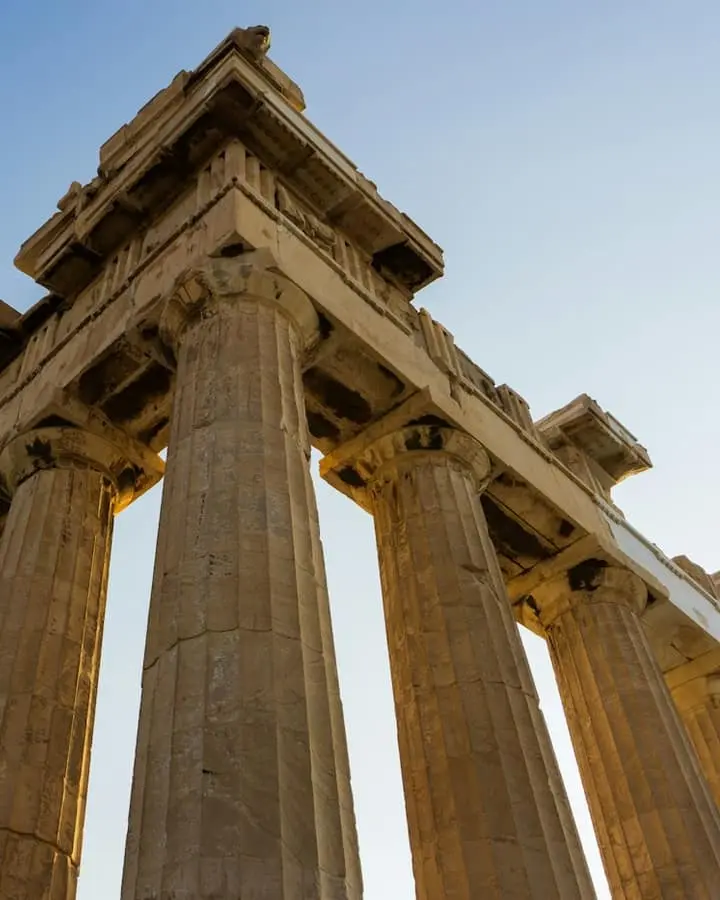
Acropolis and Parthenon
Arrive at opening time to beat the heat and the tour groups. Allow about 2 hours for the Parthenon, Erechtheion, Temple of Athena Nike and the Propylaia. Wear shoes with good grip, as the marble is slippery.
- 10:30 AM
Acropolis Museum
Walk down to the museum at the foot of the hill. It holds the sculptures from the site, including the Caryatids, and has a glass floor over excavated ruins. Allow 1.5 hours.
- 1:00 PM
Lunch in Makrygianni or Plaka
Have a casual meal of souvlaki, salads or grilled fish at a taverna on a side street. Prices rise sharply on the main pedestrian lanes.
- 3:00 PM
Plaka and Anafiotika
Wander the old neighborhood below the Acropolis, then climb into Anafiotika, a quiet corner of whitewashed, island-style houses.
- 5:30 PM
Monastiraki Square and Hadrian's Library
Browse the flea market streets around Monastiraki, and see the Roman-era library ruins from the square.
- 7:30 PM
Dinner with an Acropolis view
Choose a rooftop bar or taverna in Monastiraki for sunset views of the illuminated Parthenon. Book ahead for window tables.
Day 2: Museums, Markets and Modern Athens
- 9:00 AM
Syntagma Square and the Changing of the Guard
Watch the Evzones outside the Tomb of the Unknown Soldier at the Hellenic Parliament. The larger ceremony usually takes place on Sundays at 11 AM, with shorter changes hourly.
- 10:00 AM
National Garden and Zappeion
Take a short walk through the shaded garden to the Zappeion hall and the marble Panathenaic Stadium, where you can usually enter for a small fee.
- 12:30 PM
National Archaeological Museum
Head north by Metro or taxi to Greece's most important archaeological collection, with the Mask of Agamemnon and Cycladic figures. Allow about 2-3 hours.
- 3:30 PM
Late lunch near Omonia or Varvakios Market
Visit the Central Market for meat, fish and produce stalls and eat at a simple traditional spot nearby. Keep valuables secure in this crowded area.
- 5:30 PM
Psyrri and Ermou Street
Walk through Psyrri's street art and small shops, then along the pedestrian Ermou Street for shopping.
- 8:00 PM
Meze dinner in Psyrri
Share small plates and ouzo or tsipouro at a meze restaurant. Greeks eat late, so dinner at 8:30-9:30 PM is normal.
Day 3: Ancient Agora, Lycabettus and the Coast
- 8:30 AM
Ancient Agora and Temple of Hephaestus
Explore the best-preserved ancient Greek temple and the reconstructed Stoa of Attalos, which houses a small museum. The site is shaded in places, but bring water.
- 11:00 AM
Roman Agora and Tower of the Winds
A short walk away, see the octagonal water clock tower and the surrounding Roman market ruins. Check whether your combined ticket covers it.
- 1:00 PM
Lunch in Thissio or Koukaki
Eat at a local taverna away from the busiest tourist streets. Koukaki has many neighborhood places with reasonable prices.
- 3:00 PM
Areopagus Hill and Philopappos Hill
Climb the rocky Areopagus for views and continue to Philopappos Hill for a quieter panorama of the Acropolis.
- 6:30 PM
Mount Lycabettus at sunset
Take the funicular from Kolonaki or walk up for city views to the sea. Visit the small Chapel of St. George at the top.
- 8:30 PM
Farewell dinner in Kolonaki
Dine at a contemporary Greek restaurant or a simple taverna in this upscale district. If you have an extra half day, the Temple of Poseidon at Cape Sounion is a popular sunset trip.
Athens is a dense, lived-in city where 2,500-year-old monuments sit beside apartment blocks, street art and busy cafes. It can feel chaotic at first, but the historic center is compact, and most major sights are reachable on foot. Expect heat in summer, uneven pavements, and a relaxed approach to schedules, especially in the evenings.
This guide covers three days: the Acropolis and the ancient core on day one, museums, markets and central neighborhoods on day two, and the ancient Agora, Lycabettus and a coastal or Cape Sounion option on day three. Each day follows a geographically sensible route to limit backtracking.
You will also find advice on when to go, how to get from the airport, which tickets to buy, where to stay, what to eat and a rough daily budget. Prices and opening rules change, so treat figures as approximate and check official sites before you go.
When to go
April to early June and September to October are the best windows: daytime temperatures are typically in the low-to-high 20s °C (70s-80s °F), and the light is good for walking. July and August are often very hot, with highs regularly above 35 °C (95 °F), and archaeological sites can be uncomfortable at midday; during heat waves, hours may be shortened. Summer and Easter are the busiest periods. Winter (November to March) is mild but can be rainy, with fewer crowds and shorter days. Greek Orthodox Easter is a special but busy time, with some closures.
Getting around
From Athens International Airport (ATH), the Metro Line 3 runs to Monastiraki and Syntagma in roughly 40 minutes, with a fare of around 9 euros one way. The X95 express bus goes to Syntagma for about 6 euros, and a taxi to the center has a fixed fare of roughly 40-55 euros depending on the time of day. Within the city, the center is walkable. The Metro, buses, trams and trolleys use a shared ticket system: a 90-minute ticket costs about 1.20 euros, and a 24-hour or 5-day pass is available for frequent riders (around 4.50 and 9 euros). Tickets can be loaded on a contactless ATH.ENA card or bought at machines; contactless bank card tapping is also accepted at many gates. Validate paper tickets before boarding. Taxis are inexpensive but use the meter or a ride-hailing app such as Beat or FreeNow.
Where to stay
Plaka and Monastiraki
The most central area, with walkable access to the Acropolis and Metro. Ideal for first-time visitors with short stays, though it is busy, touristy and noisy at night.
Koukaki and Makrygianni
Residential streets just south of the Acropolis, with good cafes, quieter evenings and local tavernas. Suits travelers who want a calmer base within walking distance of the sights.
Syntagma and Kolonaki
Polished and well connected, with boutique hotels, galleries and upscale dining. A good fit for mid-range and luxury travelers and those who value transport links.
Psyrri and Gazi
Lively, nightlife-oriented areas with bars and street art. Best for younger travelers or those who enjoy late nights, but light sleepers may find them loud.
What to eat
Souvlaki and gyros
Grilled meat in pita with tomato, onion and tzatziki. A cheap, filling staple available at counters throughout the center.
Greek salad (horiatiki)
Tomatoes, cucumber, onion, olives and a slab of feta with olive oil, usually without lettuce.
Moussaka
A baked dish of layered eggplant, spiced minced meat and creamy béchamel, found in most traditional tavernas.
Spanakopita and tiropita
Flaky pies filled with spinach and feta or cheese, often eaten as a bakery breakfast.
Loukoumades
Small fried dough balls served with honey and cinnamon, a popular dessert or snack.
Ouzo, tsipouro and Greek coffee
Anise-flavored ouzo and grape-based tsipouro are served with meze. Greek coffee is strong and unfiltered; freddo espresso is the common iced choice.
Practical tips
- Visit the Acropolis right at opening or in the late afternoon, and book your timed ticket online in high season. A combined ticket covering several ancient sites is usually good for a few days and often costs less than separate entries.
- Carry some cash. Cards are widely accepted, but small tavernas, kiosks and taxis may prefer cash.
- Tipping is modest: rounding up a taxi fare and leaving about 5-10% at restaurants is typical if service is not already included.
- Watch for pickpockets on the Metro, around Monastiraki and in Omonia, especially in crowded carriages. Use a front pocket or zipped bag.
- Wear sturdy shoes, a hat and sunscreen, and carry water. Ancient site surfaces are uneven and slippery.
- Many museums and sites have reduced hours on holidays and Mondays or midweek in the off-season, so check opening times in advance.
- Restaurants near major sights often add cover charges or have inflated prices. Walk a few streets away and check menus first.
- Be aware that Metro and public transport strikes occasionally occur. Check local news if you have a flight or tight schedule.
Daily budget per person (USD)
FAQ
Is 3 days enough for Athens?
Yes, three days is enough to see the Acropolis, the main museums, the old neighborhoods and a viewpoint at a comfortable pace. Add one or two days if you want day trips to Delphi, Cape Sounion or the islands.
How do I get from Athens airport to the city center?
The Metro Line 3 takes about 40 minutes to Syntagma or Monastiraki, and the X95 bus runs to Syntagma. Taxis have a fixed fare to the center, usually in the 40-55 euro range. Check current prices before you travel.
Do I need to book Acropolis tickets in advance?
In peak season, booking a timed-entry ticket online is strongly advised, as lines and time slots can fill up. In quieter months, you can often buy tickets at the gate, but online booking saves time.
Is Athens safe for tourists?
Athens is generally safe for visitors, with violent crime against tourists uncommon. Petty theft is the main concern in crowded places and on public transport. Take normal precautions at night, especially around Omonia.
What is the best area to stay in Athens for first-time visitors?
Plaka, Monastiraki, Makrygianni and Koukaki are the most convenient for first-timers because they are close to the Acropolis and Metro. Koukaki is quieter, while Plaka and Monastiraki are livelier and more touristy.
Prices and rules are approximate; check current information before you travel.