 WanderAI
United Arab Emirates · 3-day plan · Updated: 2026-11-20
Dubai 3-Day Itinerary: Old Town, Icons and Desert
3-day itinerary
Day 1: Old Dubai: Al Fahidi, the Creek and the Souks
- 8:30 AM
Al Fahidi Historical Neighbourhood
Start early before the heat in the restored wind-tower lanes of Bur Dubai. Walk the alleys, look into small galleries and courtyards, and have coffee at a cafe in the area.
- 10:30 AM
Dubai Museum area and Etihad Museum or Coffee Museum
Visit the Al Fahidi Fort building, which has long housed the Dubai Museum (check current opening status), or choose the nearby Coffee Museum for a smaller, more specific stop. Entry fees are generally low.
- 12:30 PM
Abra Crossing to Deira
Walk to the Bur Dubai Abra Station and cross the Creek on a wooden abra for about 1 AED. It is the cheapest and most atmospheric transport in the city.
- 1:30 PM
Lunch in Deira
Eat Emirati or Iraqi food at a local restaurant near the Creek or try a Pakistani or Indian place in the old streets. Expect modest prices compared with malls.
- 3:00 PM
Spice and Gold Souks
Wander the Deira Spice Souk for saffron, dried limes and incense, then the Gold Souk next door. Bargaining is normal in the spice and textile stalls, less so for gold priced by weight.
- 6:30 PM
Dhow Dinner Cruise or Creekside Stroll
Finish with a dhow cruise along the Creek, usually with buffet dinner, or simply walk the lit-up waterfront. Book cruises ahead in winter.
Day 2: Downtown: Burj Khalifa, Dubai Mall and Culture
- 9:00 AM
Dubai Frame or Jumeirah Mosque
Take in the view from Dubai Frame in Zabeel Park, which shows old and new Dubai. Alternatively join a guided visit at Jumeirah Mosque, one of few mosques open to non-Muslims on set tours; dress modestly.
- 11:30 AM
Coffee and Brunch at Alserkal Avenue or City Walk
Alserkal Avenue in Al Quoz is a warehouse arts district with galleries and cafes. If you prefer shopping streets, City Walk offers brunch spots. Check gallery hours first, as some close on certain days.
- 2:00 PM
Dubai Mall and Aquarium
Spend the hot afternoon in Dubai Mall. The Dubai Aquarium and Underwater Zoo is a popular add-on; combined tickets are common. Plan for a lot of walking.
- 4:30 PM
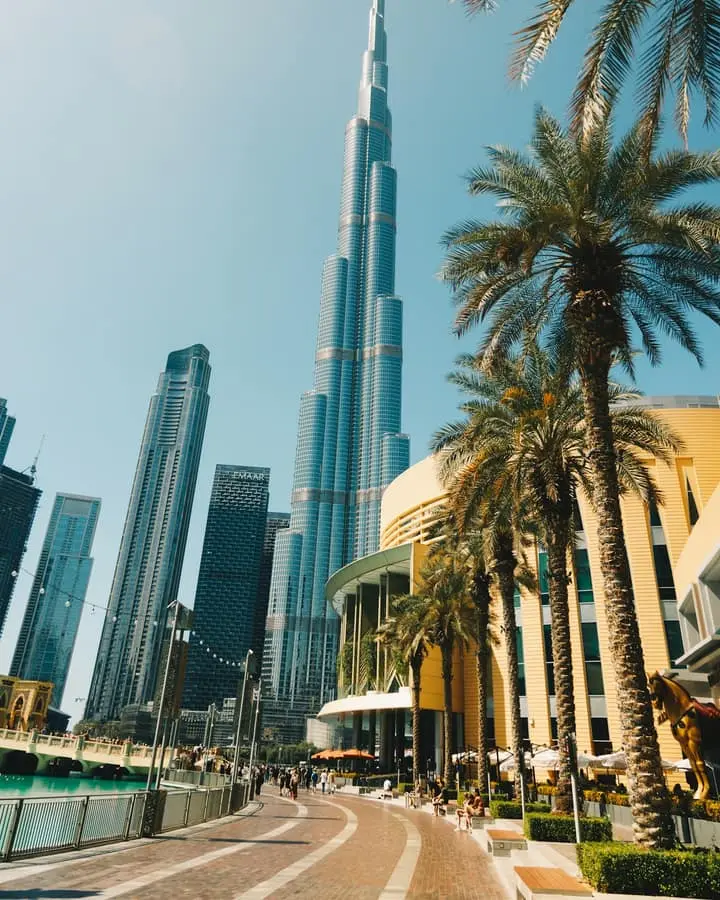
Burj Khalifa At the Top
Book a late-afternoon slot so you see the city in daylight and at sunset. Tickets for the 124th and 125th floors cost roughly 170-200 AED or more at peak times, and are cheaper booked in advance.
- 7:00 PM
Dubai Fountain and Souk Al Bahar
Watch the fountain show on the Burj Lake boardwalk; shows run in the evening about every 30 minutes. Dinner at Souk Al Bahar gives views of the fountains.
Day 3: Beach, Palm Jumeirah and the Desert
- 9:00 AM
Kite Beach or JBR Beach
Spend the morning on the sand. Kite Beach has a casual atmosphere with food trucks and views of the Burj Al Arab; JBR is more developed. Many beaches are free, while beach clubs charge entry.
- 12:00 PM
Lunch at La Mer or Bluewaters
Choose from casual cafes around La Mer or head to Bluewaters Island for views of Ain Dubai (check whether the wheel is operating). Prices are moderate to high.
- 2:30 PM
Palm Jumeirah and The View at The Palm
Take the monorail or a taxi to the Palm for the observation deck at The Palm Tower, then walk The Pointe waterfront, which faces Atlantis.
- 4:00 PM
Desert Safari
Join a half-day tour with dune bashing, a camel stop, sunset and a barbecue camp. Choose operators with good reviews and small groups, and expect about 100-200 USD depending on level. If you prefer calm, book a conservation reserve tour such as Dubai Desert Conservation Reserve.
- 9:30 PM
Marina Walk Nightcap
If you skip the safari, end at Dubai Marina Walk. Dine on the waterfront and watch the towers light up.
Dubai is a city built fast and built big, but it is not only skyscrapers. Along the Creek you still find wooden abu boats, spice souks and low-rise wind-tower houses, while a few kilometres south the glass towers of Downtown and Marina rise out of the desert. It is hot, car-oriented and spread out, so a good plan matters more here than in most cities.
This guide covers three days arranged so each day stays in one part of the city and you spend less time in traffic. Day one covers the historic districts of Deira, Bur Dubai and Al Fahidi. Day two covers Downtown, the Burj Khalifa and Dubai Mall, with an evening at the fountains. Day three mixes beach, Palm Jumeirah and Dubai Marina, followed by a desert safari or a quieter alternative.
You will also find advice on the best months, how to use the Metro and Nol card, rough daily budgets, neighborhoods to stay in, dishes worth trying and practical tips on money, dress and bookings. Prices are approximate and change with season, so check current rates before booking.
When to go
November to March is the most comfortable period, with daytime highs of roughly 24-30°C and pleasant evenings, which suits outdoor sights, beaches and desert trips. It is also peak season, so hotel prices are highest and popular attractions are busier, especially around Christmas and New Year. April and October are warmer but workable. From June to September temperatures often pass 40°C with high humidity, so most activity moves indoors, though hotel prices drop noticeably. Ramadan shifts with the lunar calendar; daytime dining is quieter, but evenings are lively and hotels are often cheaper.
Getting around
Dubai International (DXB) is about 15-20 minutes from Deira and Bur Dubai by taxi, typically around 50-80 AED depending on traffic and destination. The Red Line Metro also serves Terminals 1 and 3 and is the cheapest option. Buy a Nol card (a silver card is the basic version, roughly a few dirhams plus loaded credit) or use a Nol Pay app or compatible card where available; it works on the Metro, buses, trams and water buses. Metro stations such as Burj Khalifa/Dubai Mall, Mall of the Emirates and DMCC/Marina link many highlights. Taxis from RTA and ride-hailing apps like Uber and Careem are plentiful and reasonably priced. Abras (traditional boats) across the Creek cost about 1 AED. The Dubai Tram serves Marina and JBR. Summer heat makes walking between places harder than maps suggest.
Where to stay
Downtown Dubai
Close to the Burj Khalifa, Dubai Mall and Metro. Best for first-timers who want convenience and views, though prices are high.
Dubai Marina and JBR
Beach access, restaurants and the tram. Suits couples and groups who want a resort feel; it is farther from the old town.
Bur Dubai and Al Seef
Heritage area near Al Fahidi and the Creek with cheaper hotels and good Metro links. Good for budget travelers and culture-focused visitors.
Deira
Older, busy and good value, close to the airport and souks. Suits those who want local food and low prices over polish.
What to eat
Shawarma
Sliced chicken or lamb wrapped in flatbread with garlic sauce and pickles, found everywhere and very cheap.
Machboos
A spiced rice dish with chicken, lamb or fish, often flavored with dried lime. A good introduction to Emirati home cooking.
Luqaimat
Small fried dumplings drizzled with date syrup, served warm as a dessert.
Harees
A slow-cooked porridge of wheat and meat, especially associated with Ramadan and celebrations.
Karak chai
Strong tea boiled with milk, sugar and cardamom, sold at small cafeterias for just a few dirhams.
Mixed grill and hummus
Levantine staples that are widely available, including at old-town restaurants, with grilled meats and fresh bread.
Practical tips
- The currency is the UAE dirham (AED), pegged to the US dollar at about 3.67. Cards are accepted almost everywhere; carry a little cash for abras, taxis and souks.
- Tipping is not mandatory. Around 10% in restaurants is appreciated if no service charge is added; round up for taxis.
- Dress modestly outside beaches and pools: cover shoulders and knees in malls, souks and mosques. Many places keep air conditioning cold, so bring a light layer.
- Dubai is very safe, but laws are strict. Avoid public drunkenness, drug possession (including some prescription medicines without paperwork), and photographing people without permission.
- Alcohol is served in licensed hotels, bars and restaurants. Drinking in public places is not allowed.
- Book Burj Khalifa, dhow cruises and desert safaris ahead in winter, and choose off-peak slots to save money.
- Women-only carriages on the Metro and the front Gold Class cabin are separate; check signs to avoid fines.
- In summer, do outdoor sightseeing before 10 AM or after 5 PM and drink plenty of water.
Daily budget per person (USD)
FAQ
Is 3 days enough for Dubai?
Yes for the main highlights: the old town, Downtown and Burj Khalifa, a beach and a desert trip. You will need more time for theme parks, Abu Dhabi day trips or slower resort days.
Do I need a visa for Dubai?
It depends on nationality. Many countries get visa-free entry or visa on arrival, while others need a visa arranged beforehand. Check the UAE government or your airline for current rules.
What is the cheapest way to get around Dubai?
The Metro, buses and tram with a Nol card are the cheapest, with abras for Creek crossings. Taxis and ride-hailing are affordable for short trips.
What should I wear in Dubai?
Casual, light and modest clothing is fine in most places. Cover shoulders and knees in malls and cultural sites, and wear swimwear only at beaches and pools.
Is Dubai expensive?
It can be, especially hotels and attractions in winter. Careful travelers can manage on a modest budget using Metro transport, local restaurants and free beaches.
Prices and rules are approximate; check current information before you travel.